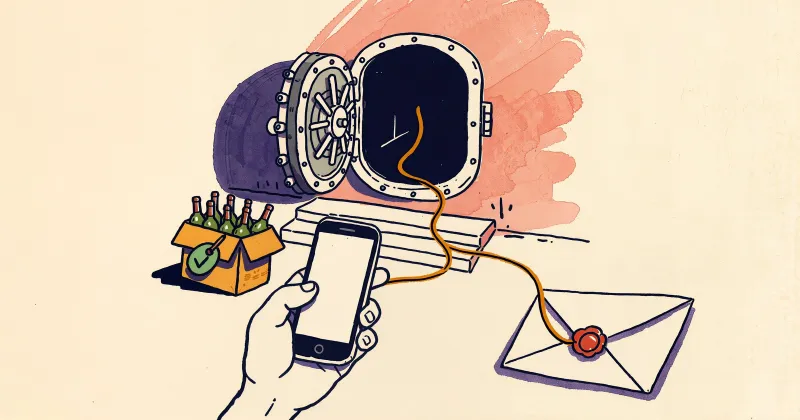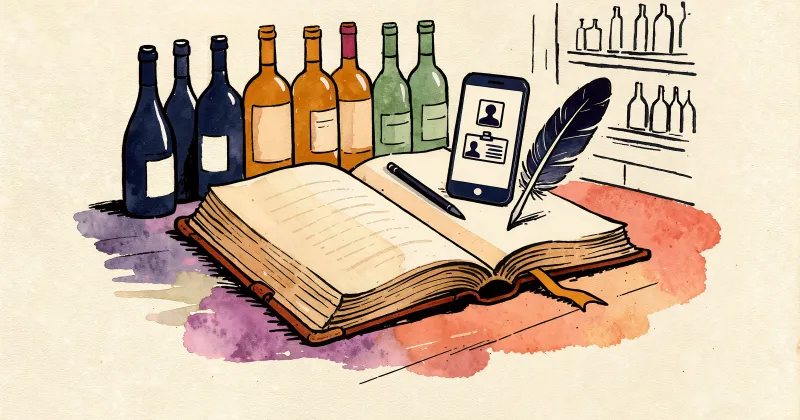
With the UK being thrust into a Coronavirus lockdown in late March 2020, it has been identified by several experts that many people’s alcohol consumption has changed (Alcohol Change UK, 2020, reference; BBC Future, 2020, reference; The Observer, 2020, reference), along with an increase in online and alcohol sales of 22% and 31% respectively (Office for National Statistics, 2020, reference).
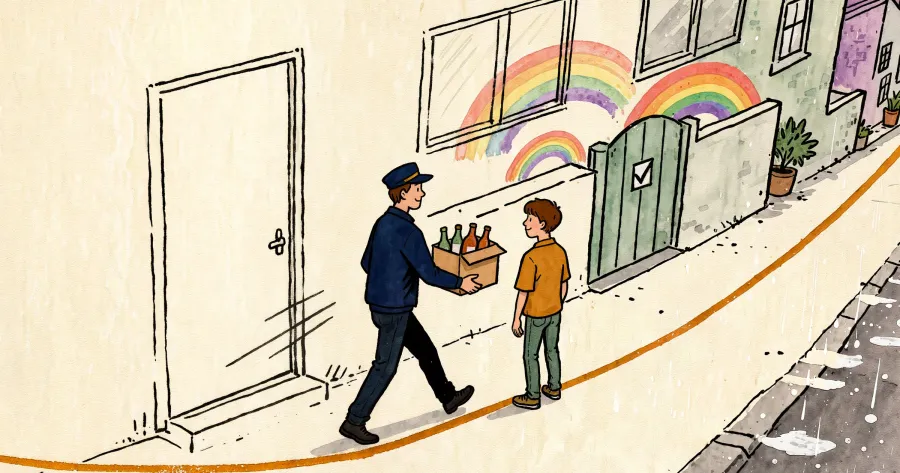
Prior to the lockdown, I was commissioned with Vic Grout by Alcohol Change UK to analyse existing online ‘age gating’ solutions that prevent under-18s from ordering alcohol through the Internet. The main outcome of the report is that existing practice by online retailers, supermarkets and delivery apps is largely inadequate, as many either perform no checks on who the purchaser is, or relegate the checks that do exist to happen on delivery. This is inconsistent with the UK government’s own advice that the age check should be performed on the purchaser, with additional notes that they may also be performed at the point of delivery.
Much of this confusion comes from the Licencing Act 2003 and associated guidance, mostly written before online shopping became mainstream with the majority of sales made in person. This must be clarified to make sure those who are underage are protected from being able to purchase alcohol, with more rigid checks in place.
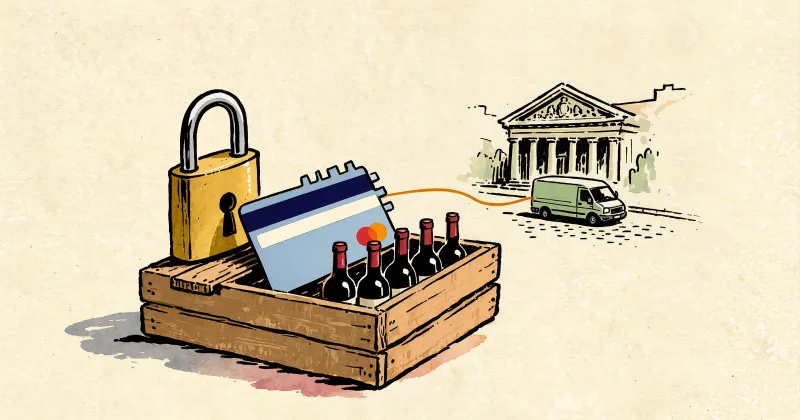
One of the simplest ways to prevent the purchase of alcohol by under-18s would be to place the onus for age checks on banks. Banks and payment processors already have information about card holders, and this is validated online for anti-fraud purposes: how often do you have to enter your name as on the card or give the postcode your card is registered to? Extending this to include age checks could be an easy addition, with small changes at retailers to flag alcohol-containing transactions that could be blocked by the banks. This type of block is already in place: from the beginning of April 2020, banks prevent gambling transactions made with credit cards (Gambling Commission, 2020, reference).
As we transition to what is often termed the 'new normal', our relationship with technology has changed: Zoom has become a verb, WFH (Working From Home) an everyday occurrence and online shopping the norm. This technology use is here to stay, and demonstrates the need for effective controls on the Internet that mirror those that exist in physical stores.
The full recommendations are available in our report on the Alcohol Change UK website.
References
- Alcohol Change UK. (2020, April). Drinking during lockdown: Headline findings. https://alcoholchange.org.uk/blog/2020/covid19-drinking-during-lockdown-headline-findings
- BBC Future. (2020, May 11). Why you might be drinking too much during lockdown. https://www.bbc.com/future/article/20200507-why-you-might-be-drinking-too-much-during-lockdown
- Gambling Commission. (2020, January 14). Gambling on credit cards to be banned from April 2020. https://www.gamblingcommission.gov.uk/news-action-and-statistics/News/gambling-on-credit-cards-to-be-banned-from-april-2020
- The Observer. (2020, May 3). Problem drinking soars under UK lockdown, say addiction experts. https://www.theguardian.com/society/2020/may/03/problem-drinking-soars-under-uk-lockdown-say-addiction-experts
- Office for National Statistics. (2020, April 24). Coronavirus (COVID-19) roundup, 20 to 24 April 2020. https://www.ons.gov.uk/peoplepopulationandcommunity/healthandsocialcare/conditionsanddiseases/articles/coronaviruscovid19roundup20to24april2020/2020-04-24